
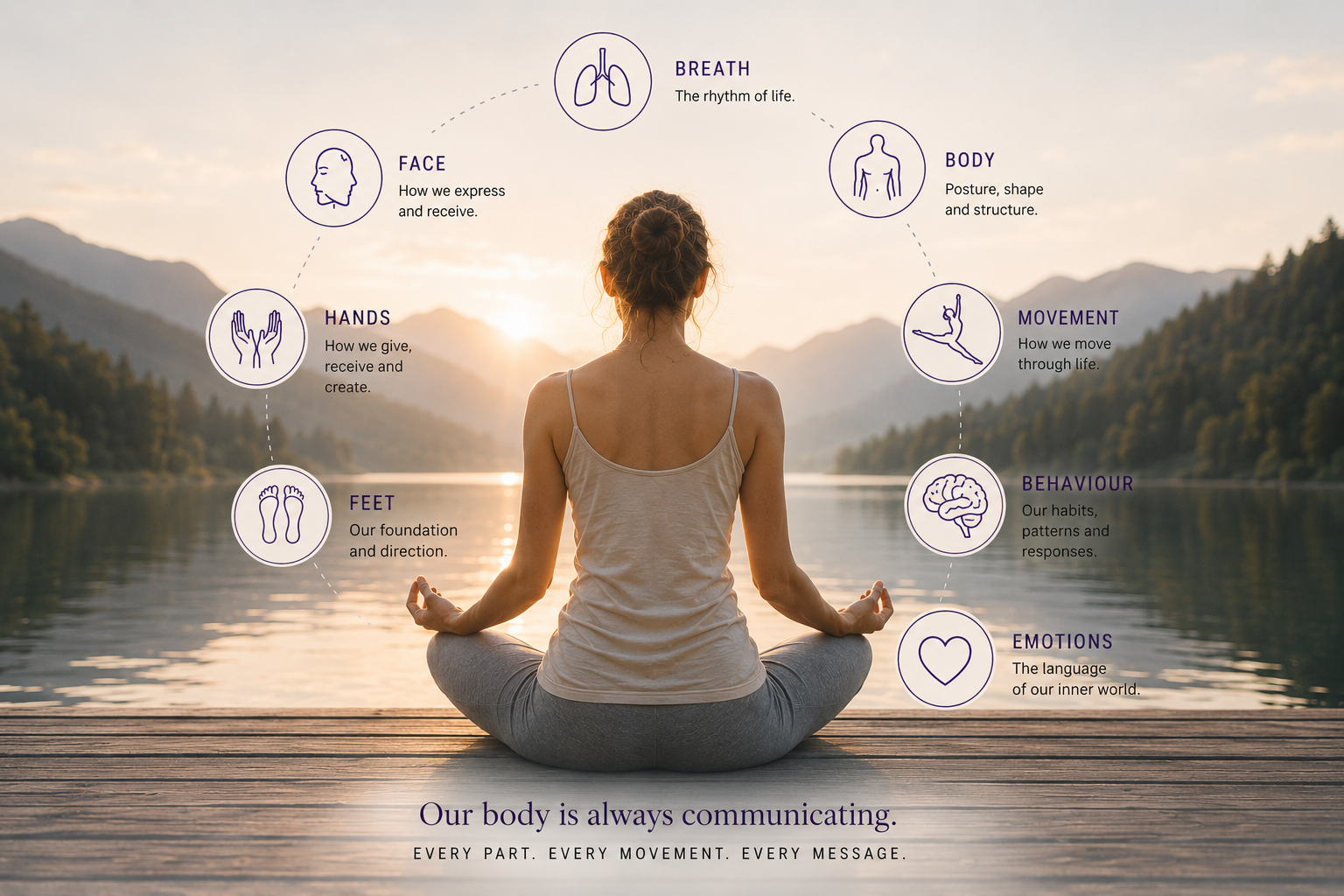
THE BODY DOES NOT EXIST IN ISOLATION
What is Psychosomatic Therapy?
Psychosomatic Therapy explore the relationship between the body, mind, emotions, behaviour and lived experience.
The way we stand, breathe, move, respond, communicate and relate to others can all offer another perspective into how we experience ourselves and the world around us.
Rather than looking at one physical characteristic and deciding what it means, Psychosomatic Therapy encourages us to become curious about the relationship between different aspects of a person.
The aim is not to label or define someone.
It is to learn to observe the whole person.
EXPLORE PSYCHOSOMATIC THERAPYEMOTIONAL ANATOMY
Emotion Has an Anatomy Too
We don't experience emotion through the mind alone.
Emotion can influence the way we breath, move, hold ourselves, communicate, protect ourselves and respond to the people and situations around us.
Emotional Anatomy explores these relationships - bringing greater awareness to how emotional experience may be expressed through the body and through our patterns of behaviour and response.
Within PEAT, we don't look at emotion, body or behaviour as separate subjects.
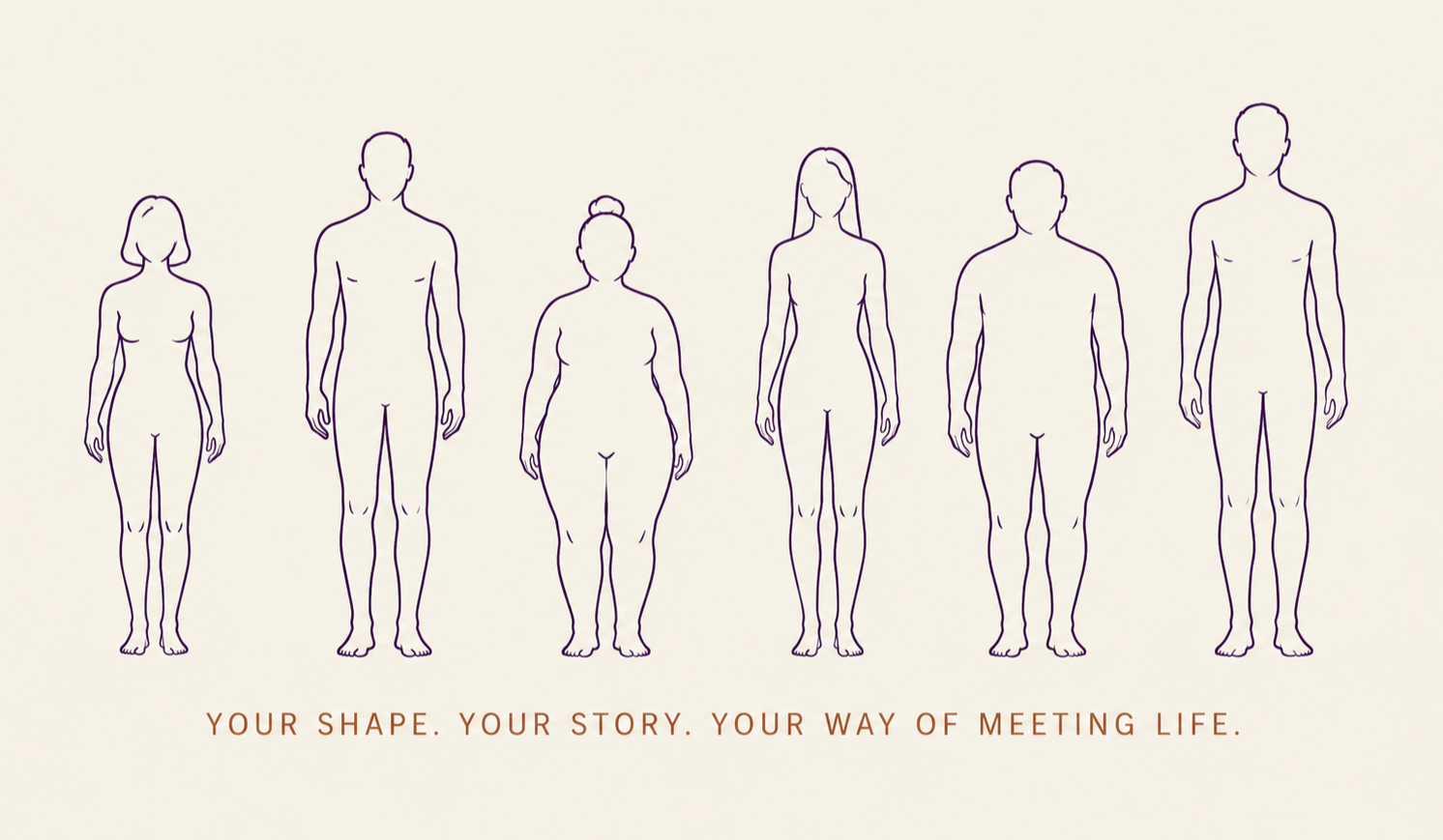
PSYCHOSOMATICS & EMOTIONAL ANATOMY TRAINING
So, What Is PEAT?
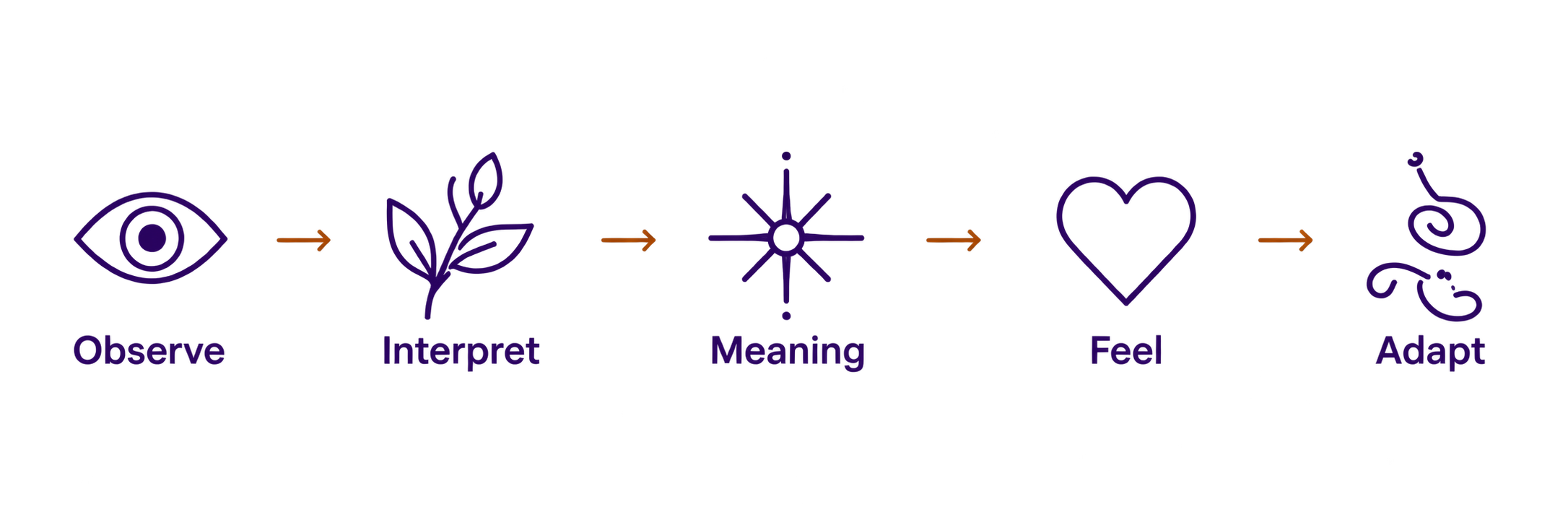
PEAT brings together the foundations of Psychosomatic Therapy and Emotional Anatomy with observation, body reading, energy, communication, personal development and Emotional Release Bodywork.
PEAT ISN'T SIMPLY A COLLECTION OF TECHNIQUES
It is a way of learning to observe.

YOURSELF
Become more aware of yourself and the patterns you carry.
OTHERS
Become more curious about the person in front of you.
THE WHOLE
Learn to notice relationships rather than isolated signs.
For those who continue professionally, this awareness becomes the foundation for learning to work with another human being without reducing them to a single characteristic, pattern or interpretation.
Begin for yourself. Continue Professionally if you choose.
WHERE THE WORK BEGAN
From Psychosomatic Therapy to PEAT
The foundations of PEAT reach back to the work of Hermann Müller, founder of the Psychosomatic Therapy College and Gillian Maddigan's father.
Gillian was introduced to the principle of Psychosomatic Therapy by Hermann is 1993, during a significant period of change in her own life.
What she encountered gave language and structure to something she had been doing instinctively for years - observing people through their own body language, posture, expression and energy.
In 2007, Gillian formally completed her Diploma of Teaching Psychosomatic Therapy under Hermann's guidance and began working closely with him through teh Psychosomatic Therapy College.
She contributed to editing Hermann's books and training materials, managed College events and continued developing her own understanding through years of observation, face reading and working directly with people.
The work continued to evolve.
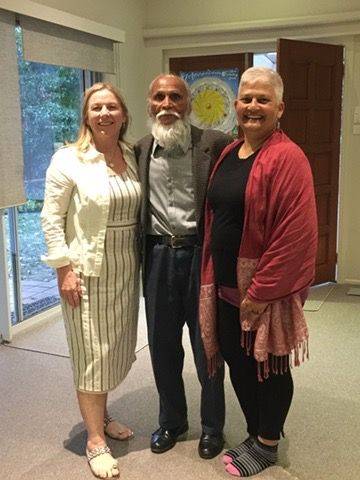
PHOTO: Marie and Hermann Müller, with Gillian Maddigan (right) at the Psychosomatic Therapy College
THEN ANOTHER PERSPECTIVE ENTERED THE WORK
Bianca's Journey Into Psychosomatics
Bianca's journey into Psychosomatic Therapy began in 2010, initially through her own personal experience of the work.
What began as person exploration developed into more than a decade of clinical practice, teaching and mentoring, alongside extensive study in BioMedical Yoga Therapy, Emotional Release Bodywork and embodied energy work.
Where Gillian brought decades of observation, face reading, communication and the foundations developed through the Psychosomatic Therapy College. Bianca brought another perspective - one strongly informed by the lived experience of the body, movement, emotional expression and hands-on work.
During COVID years, those perspectives came together in a new way.
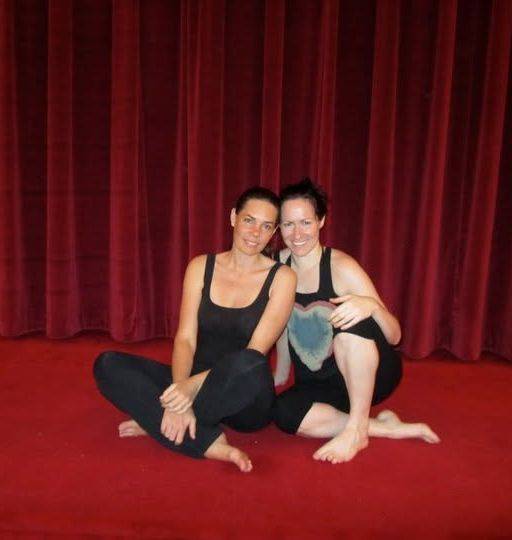
PHOTO: Bianca (left) and Clare (right), Masters in Psychosomatic Therapy 2011 - Calgary, AB, Canada
PEAT Was Born.
PSYCHOSOMATICS & EMOTIONAL ANATOMY TRAINING
Not to replace the foundations of Psychosomatic Therapy, but to bring them together with the experience, perspectives and learning that had developed through years of working with people.
PEAT continues to honour where the work came from while allowing it to remain something living - something that can continue to be explored, questioned and developed through experience.
Gillian Maddigan
Learning to Read What Isn't Being Said
Gillian's ability to observe people began long before she knew the term Psychosomatic Therapy.
As a child navigating significant changes in family and environment, she became highly observant of body language, posture and energy - noticing what people communicated between their words.
Psychosomatic Therapy later gave structure and language to that instinct.
Over the years, Gillian developed a remarkable depth of practical observation. While working as a Face Reader at the Mind Body Spirit festivals across Australia, she sometimes completed up to 40 readings a day - seeing again and again both the patterns people can share and the individuality that sits within them.
Today, Gillian brings decades of experience in Psychosomatic Therapy, face reading, observations, communication, Emotional anatomy and human behaviour into PEAT.
She has an extraordinary ability to notice the subtle details that can easily be missed - the way someone holds themselves, the language they use, the expression on their face, the energy they bring into a room and the relationship between what is being said and what is being communicated without words.
Her teaching encourages students to look more closely, communicate more consciously and develop their own perception rather than simply memorising interpretations.
For Gillian, learning Psychosomatics is ultimately about becoming a better observer of people - with curiosity, awareness and respect for the individuality of the human being in front of you.
MEET GILLIAN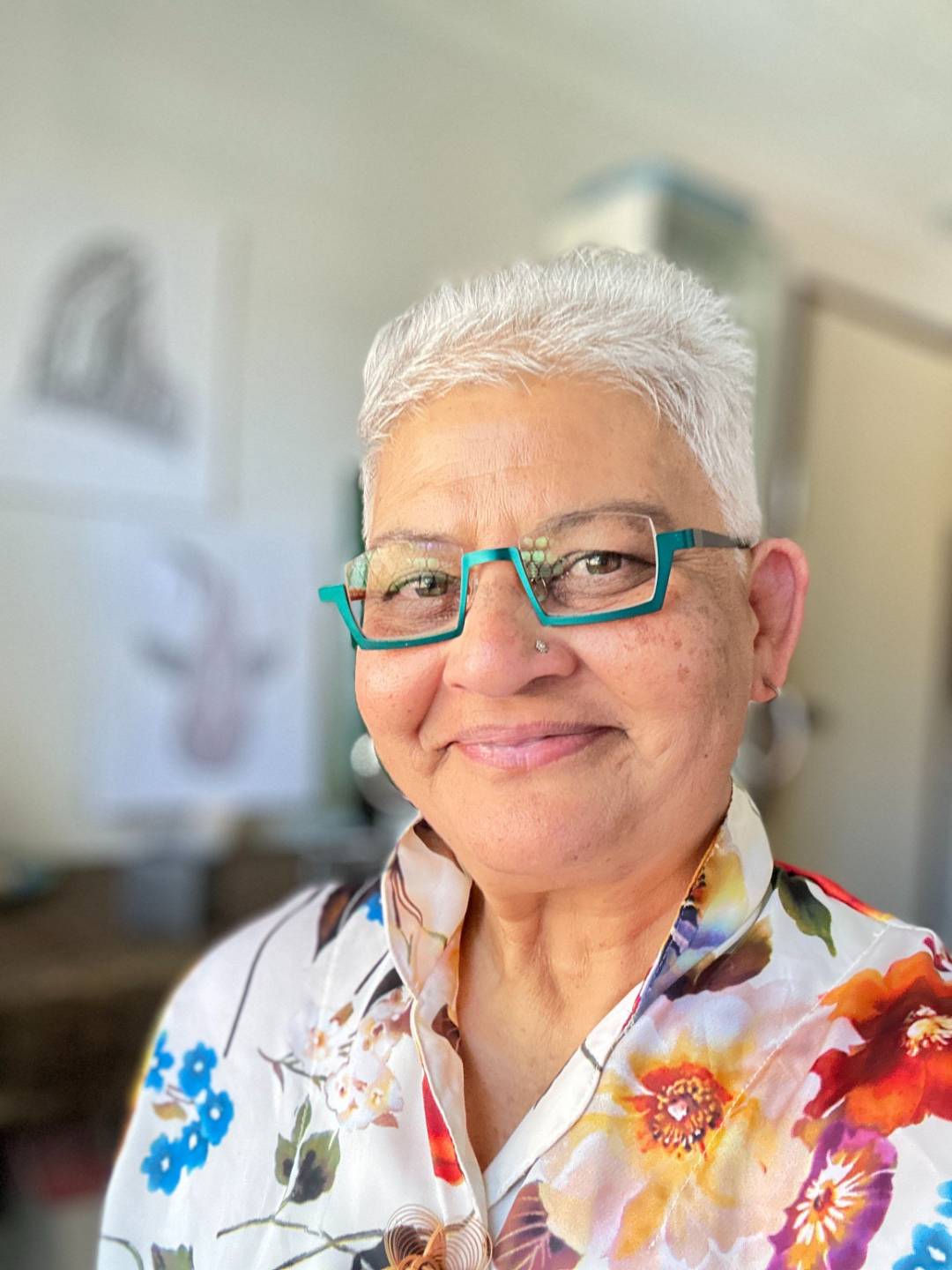

Bianca Moeschinger
Bringing the Learning Into the Body
For Bianca, Psychosomatic Therapy began personally.
Her introduction to the work in 2010 came during a period where she felt deeply disconnected from herself.
What she experienced through Psychosomatics became the beginning of a much broader exploration of the relationship between body, emotion, movement, energy and lived experience.
Over the following years, Bianca's work expanded through Psychosomatic Therapy, Emotional Release Bodywork and more than 1000 hours of BIoMedical Yoga Therapy, alongside clinical practice, teaching and practitioner mentoring.
What Bianca brings to PEAT is a strongly experiential and embodied perspective.
Not simply:
What does this mean?
But also: What happens when you experience it through yourself?
Her teaching rings attention to the body, emotional expression, movement, energy and the experience of being present with another human being.
Bianca encourages students to move beyond intellectual understanding and experience the learning through their own body. For her, embodiment is where knowledge become lived experience.
With Swiss heritage through her fathers side of the family, Bianca also has a personal connection to Switzerland. Today, that connection continues through PEAT, Switzerland becoming a European home for the In-Person Trainings.
MEET BIANCA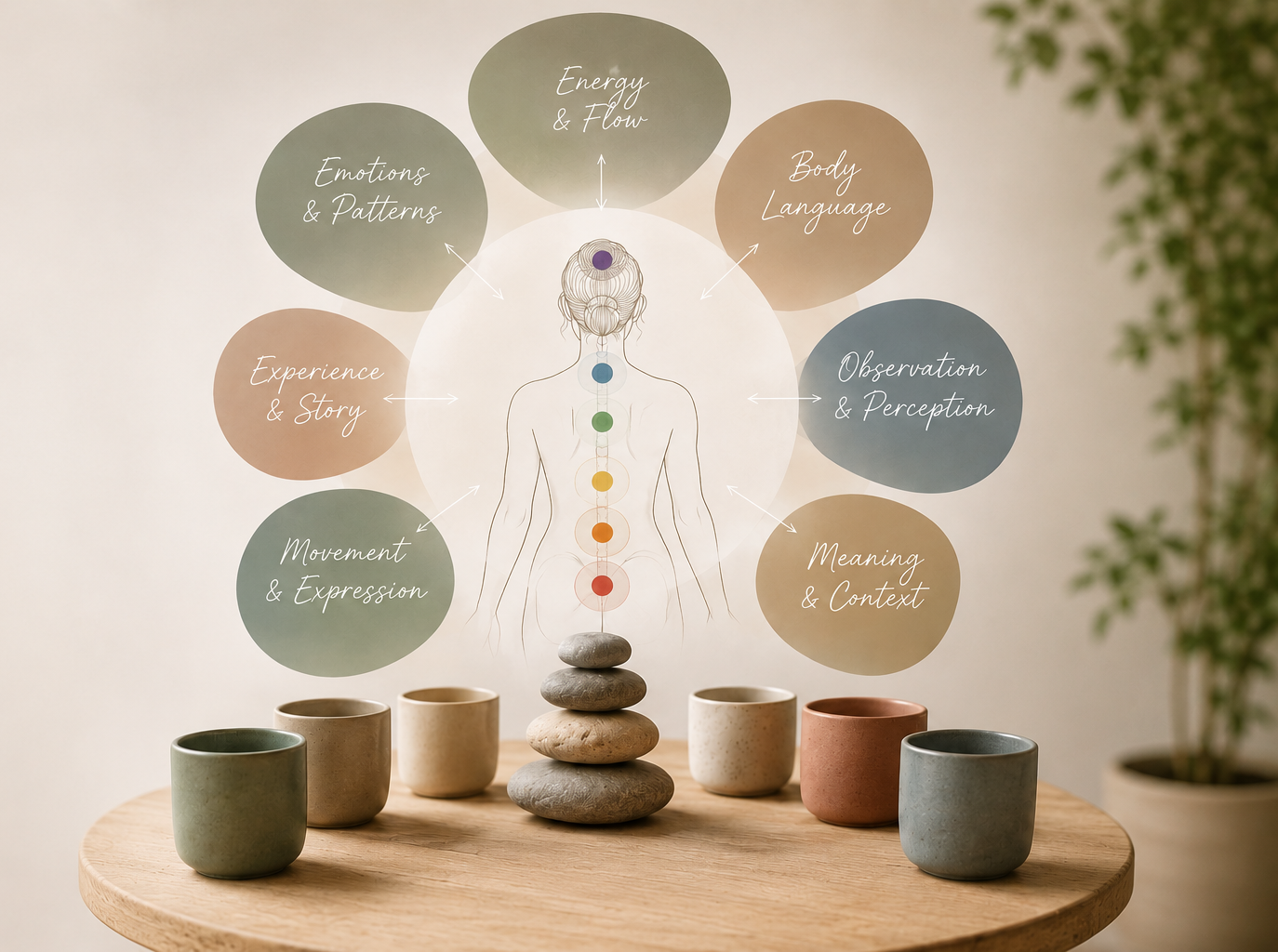
WHY WE TEACH TOGETHER
Many Ways of Seeing the Same Thing
Psychosomatic Therapy can be understood, experienced and embodied in many different ways.
That is why PEAT is taught through more than one perspective.
Gillian and Bianca founded PEAT and remain its core teachers, alongside a growing team of experienced Psychosomatics & Emotional Anatomy teachers who each bring their own knowledge, experience and way of communicating the work.
The foundations remain the same. The way they are explained, experienced and understood may be different.
We believe this gives our students a richer learning experience - one that allows them to explore different perspectives and, over time develop their own understanding and language of the work.
HOW WE TEACH
Curiosity Before Conclusion
There are a few principles that sit underneath the way we teach PEAT - Psychosomatics & Emotional Anatomy.



We Don't Teach You What to See
We Teach You How to Look
THE PEAT METHOD
Personal Understanding Before Professional Practice
PEAT begins with you.
Before asking you to observe another person, work with a client or apply what you have learned professionally, the training gives you time to explore the work through your own life, patterns, relationships and experience.
This is why the PEAT pathway begins with Foundation.
From there, those who want to go further can bring the learning into the room through the 6-Day In-Person Training, develop their professional skills through Practitioner Development, and progress towards Full Certification.
PERSONAL UNDERSTANDING
Foundation Program
EMBODIED EXPERIENCE
6-Day In-Person Training
LEARNING TO WORK WITH OTHERS
Practitioner Development - Level 2
PROFESSIONAL PRACTICE
Full Certification

CERTIFIED PSYCHOSOMATIC THERAPIST
You don't need to decide at the beginning how far you want to go.
You can begin with yourself
WHERE WOULD YOU LIKE TO BEGIN?
There Is More Than One Way Into PEAT
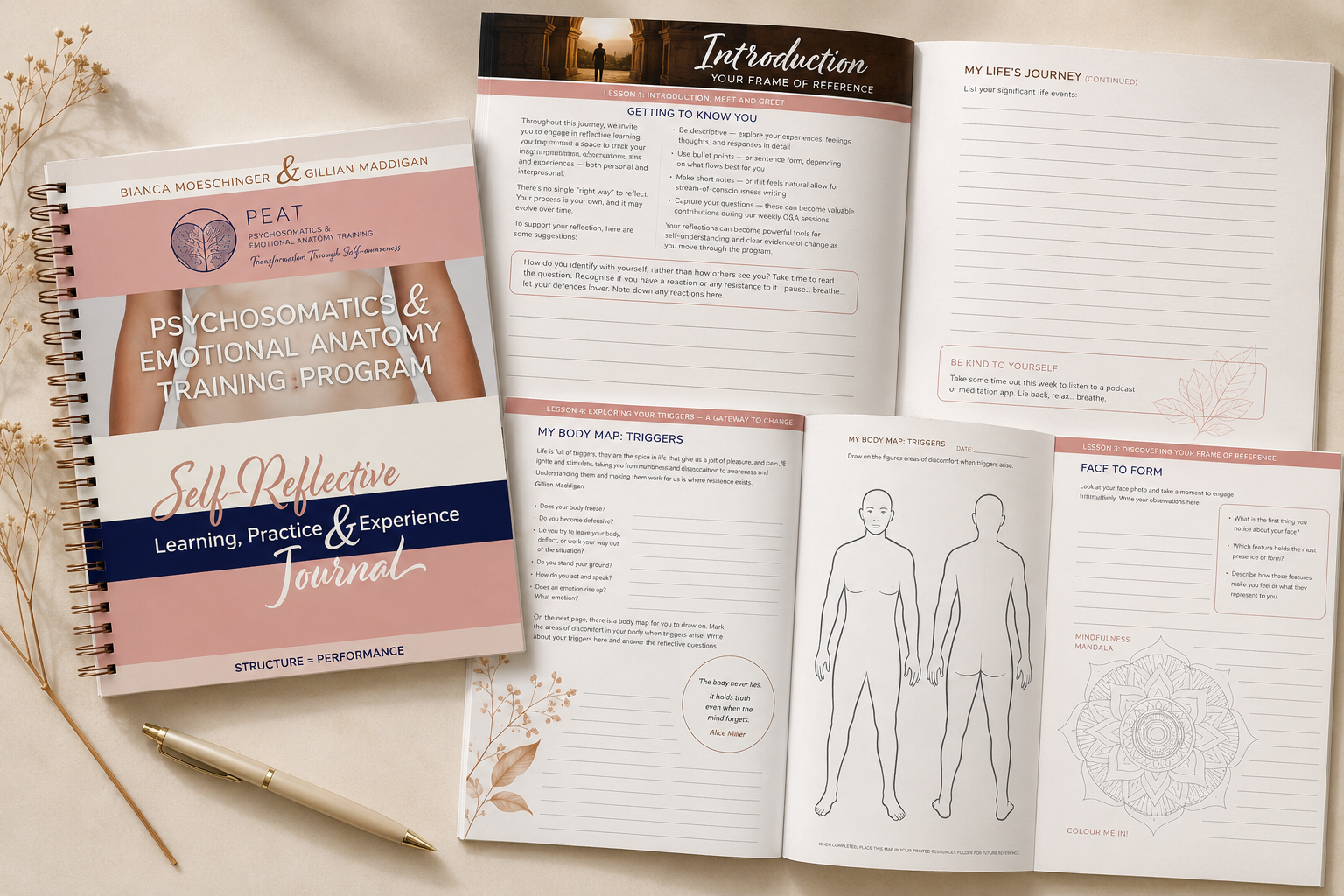
FOR YOURSELF
Foundation Program
Begin with personal exploration and develop your understanding of Psychosomatics & Emotional Anatomy through self-paced learning, reflection and live teaching.
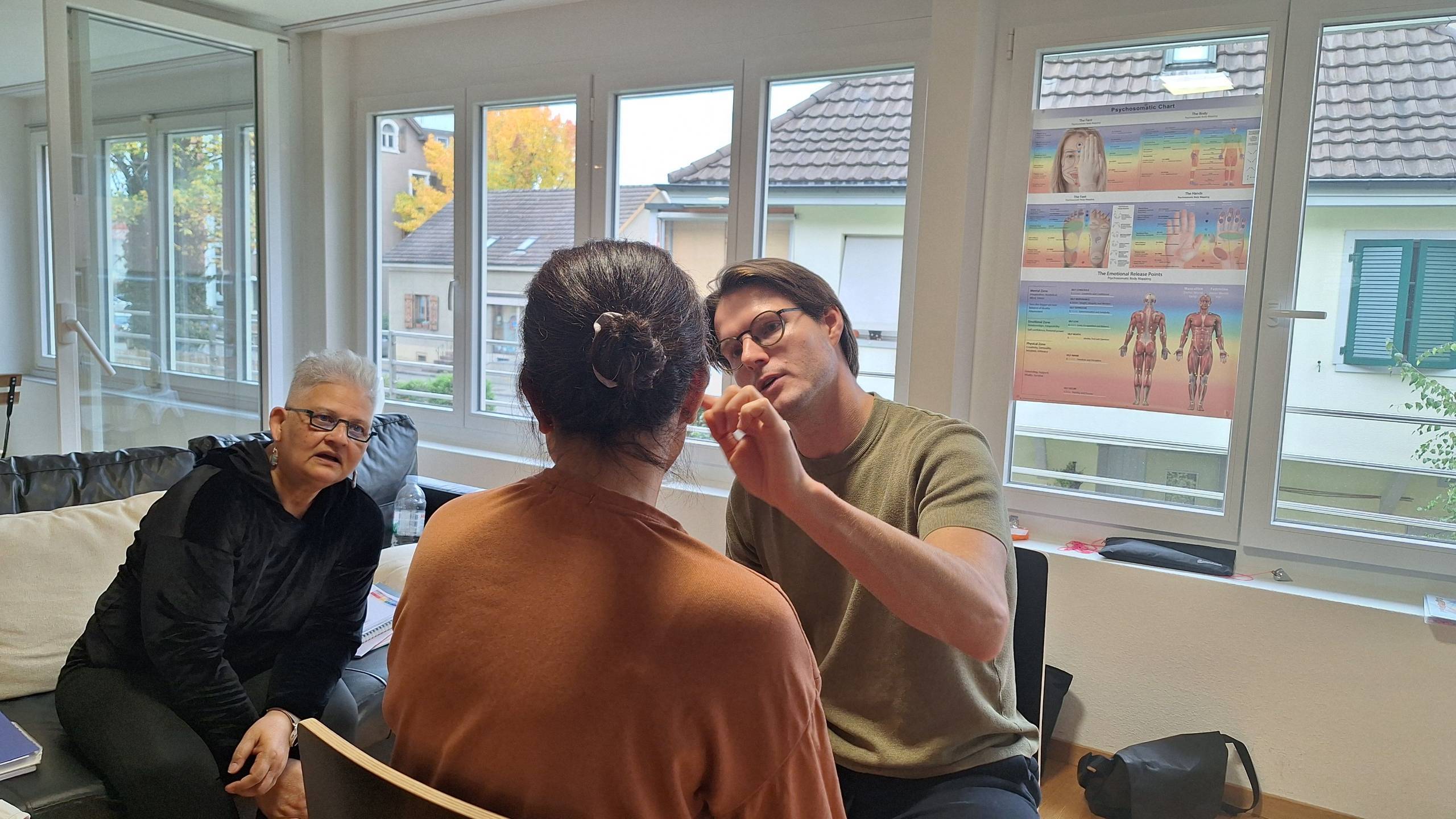
EXPERIENCE THE WORK
6 Day In-Person Training
Bring the learning into the room through observation, body reading, Emotional Anatomy, Emotional Release Bodywork and practical experience.
Attend for your own personal development or as part of the professional pathway.
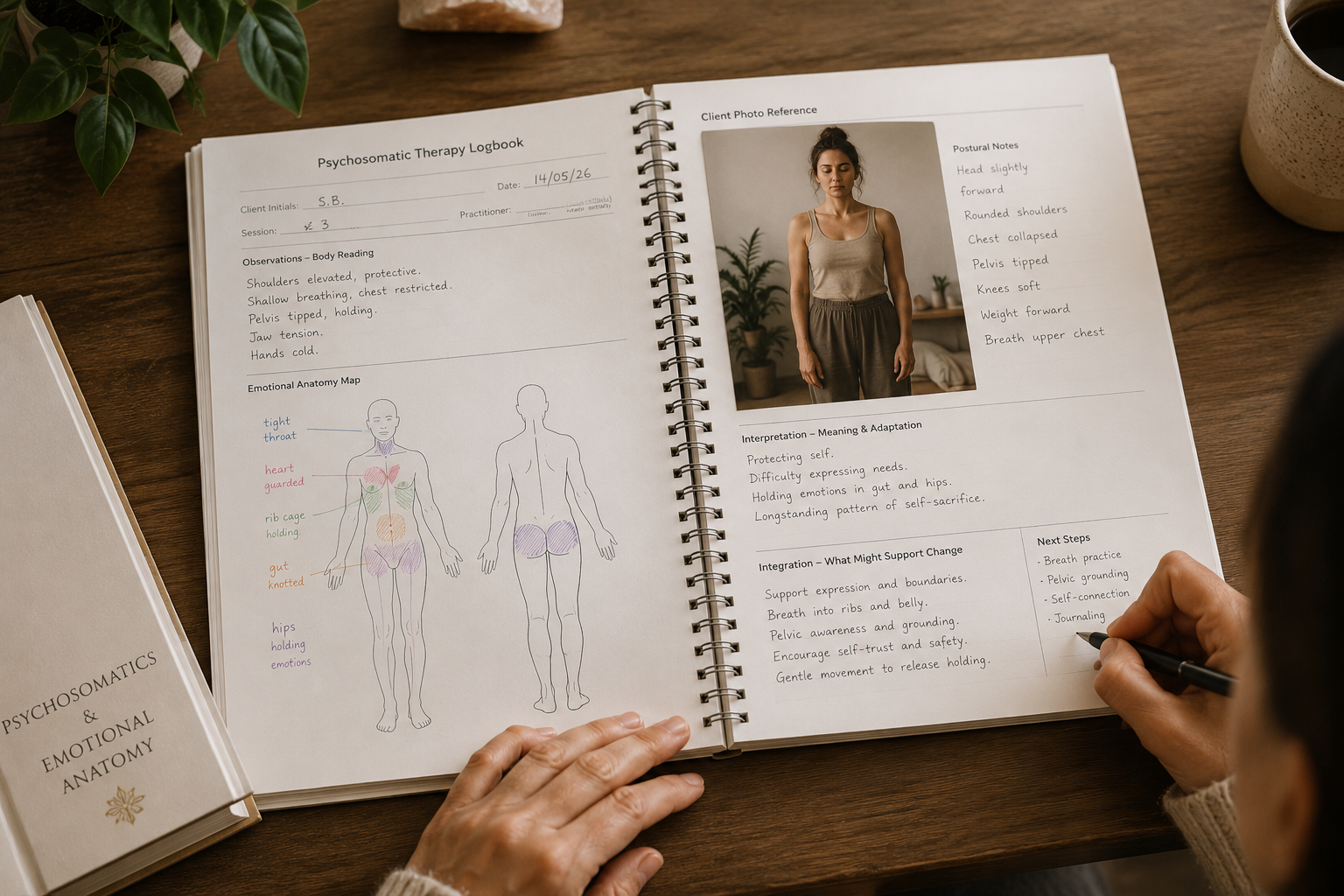
WORK WITH OTHERS
Professional Certification
Continue through Practitioner Development, supervised practice and professional experience towards becoming a Certified Psychosomatic Therapist using the PEAT Method.
Come and Discover PEAT For Yourself
You don't need to arrive knowing exactly what you're looking for.
You may begin because you're curious about yourself.
Because the relationship between the body and emotions interests you.
Because you already work with people and want to see them from another perspective.
Or because you're looking for an entirely new professional direction.
Where you begin - and where you eventually take the work - can be entirely your own.
START HERE